
Area Control Board Games: How They Work and What to Play

Area control board games are tabletop strategy games where players fight over map space, not a private puzzle. Twilight Imperium, Small World, and Blood Rage are three of the best-known, and Sin of Angels brings the same fight to a browser. You place units, markers, or gang members into contested territories to claim the turf and push out your rivals.
The mechanic runs on conflict, not economy. You do not sit back and build a quiet economy in isolation. You look across the table, pick a target, and take what they have.
Every inch of the board has value. Space is limited. If you want a piece of the map, someone else has to bleed for it.
Here is the loop that repeats all game:
- You mass your forces.
- You cross the border.
- You settle the dispute.
That loop creates a high-stakes environment. Table talk, temporary alliances, and sudden betrayals matter just as much as the pieces on the board.
Whether you are pushing plastic armies across a global map or moving patched bikers into a rival neighborhood, the core tension is the same. Claim the ground. Hold the line. Extract the value before someone bigger muscles you out.
Key Takeaways
- Area control runs on conflict: you fight for scarce map space, not a private economy.
- Strict area control means one owner per zone; area majority pays out the heaviest presence instead.
- The genre's rhythm is four beats: the drop, the push, the brawl, the payoff.
- Crew size and time budget, not taste, are the fastest filter for picking a title.
- Sin of Angels runs the same turf-war loop in a free browser match, no box or table required, once beta players get their invite.
How the Mechanic Actually Plays
The board state is the mechanic. The map is a shared battleground divided into distinct zones, regions, or sites. Every player starts with a limited supply of pieces, and your job is to deploy them to lock down the most valuable real estate.

The tension comes from scarcity. There are never enough safe zones. The game forces you into the center of the board. If you want the best payouts, the most cash, or the strongest narcotics, you have to fight for the contested sites.
Area Control vs. Area Majority
Players often use these two terms interchangeably. They are close cousins, but they play differently.
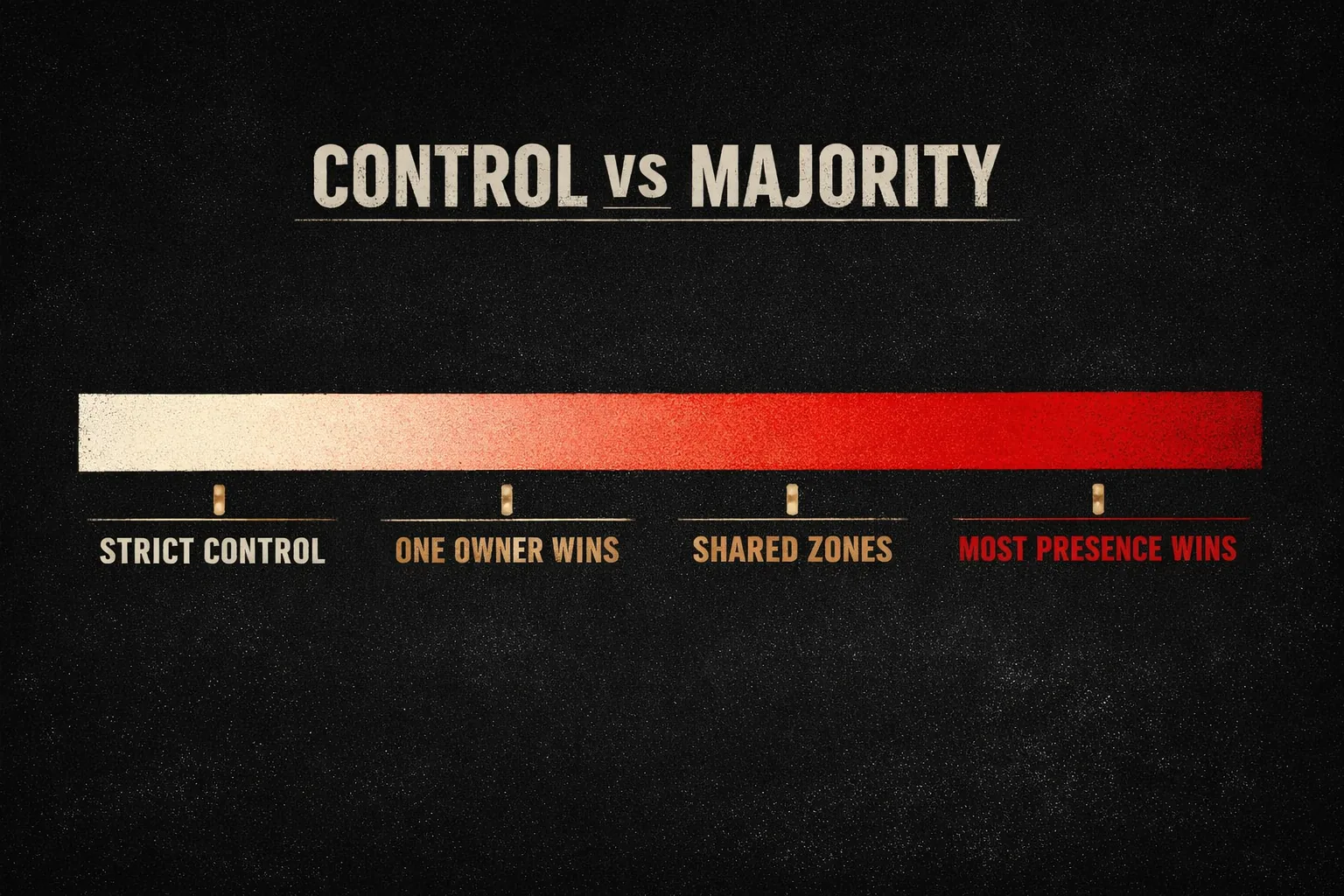
Strict area control means absolute ownership. You own the territory, or you do not. If a rival piece enters your zone, a fight triggers immediately. Only one crew walks away. The winner keeps the turf, and the loser goes to the graveyard.
Area majority works differently. You do not need exclusive ownership to reap the rewards, just the heaviest presence. You flood the zone with more bodies than the other guy. Multiple players can occupy the same space without triggering an automatic bloodbath.
When the scoring phase hits, the player with the most muscle in the region takes the primary payout. Second place might get a scrap. Everyone else gets nothing.
The Anatomy of a Turf War
Most games in this genre follow a distinct rhythm. You build your crew, you make your move, and you brace for impact.
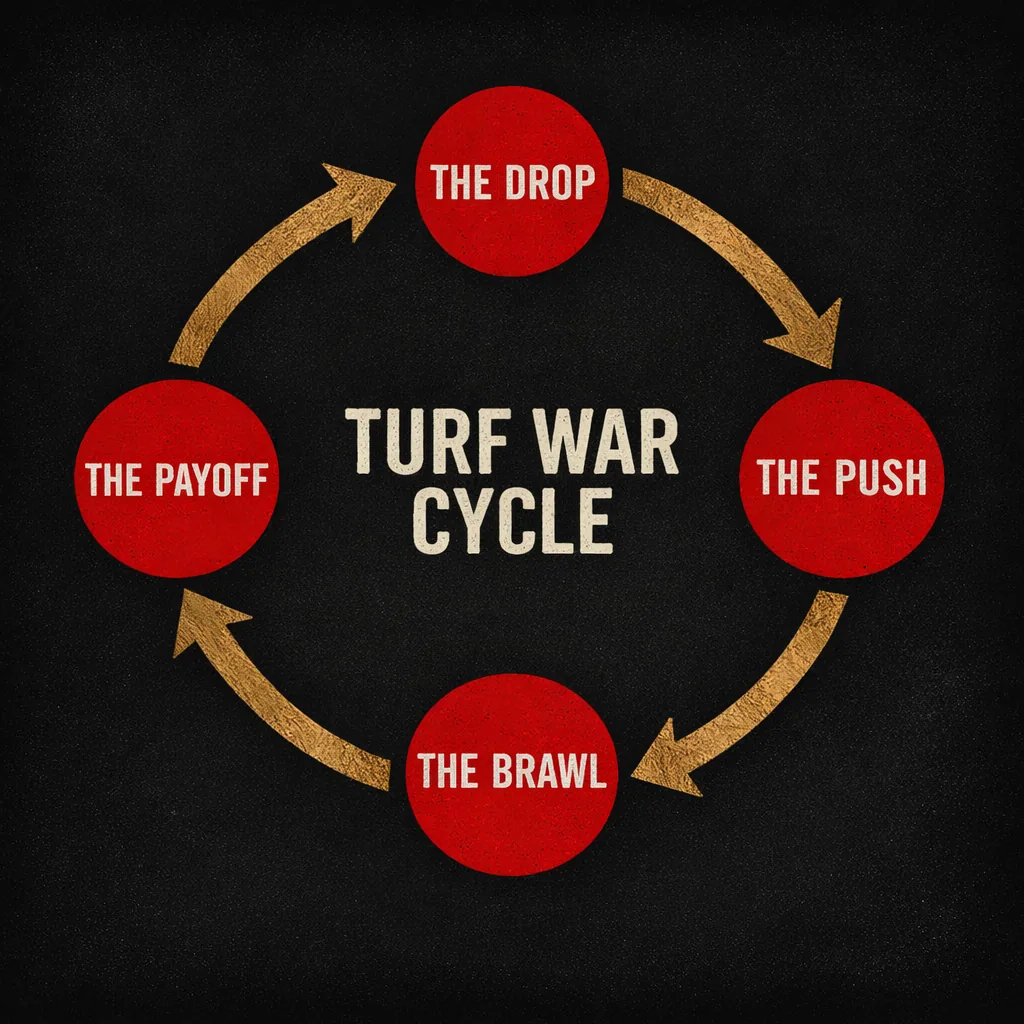
1. The Drop
You recruit your forces and put them on the board. This is where you signal your intentions.
You drop a heavy stack of units on the border of a rival territory. That sends a message and forces the other players to react. They have to decide: reinforce their position, or abandon the site and hit you somewhere else.
2. The Push
This is the movement phase. You march your units across the map, invade occupied zones, cut off supply lines, and isolate enemy leaders. The board state changes rapidly. A territory that looked secure a minute ago is suddenly overrun.
3. The Brawl
When forces clash, the game resolves the conflict:
- Dice games: you roll the bones, count your hits, and remove casualties.
- Card games: you play a card face down, reveal it simultaneously, and add the value to your unit strength. That adds a layer of bluffing, since you can commit your best fighters, or throw the fight to bleed your opponent's hand dry.
4. The Payoff
Holding turf is useless if it does not pay out. At set intervals, the game pauses to score the map. You count up the territories you control and collect your points, your cash, and your resources. Then the cycle starts over. The targets get bigger. The fights get bloodier.
The Social Game
You cannot talk about this genre without talking about the players. Area control is highly interactive. It is not like engine-building board games where you stare at your own player board for two hours. You have to play the players.
At the table, that means:
- You cut deals.
- You forge ceasefires.
- You convince the strongest player at the table to attack someone else.
- You promise backup in a fight, and then you pull your guys out at the last second.
The mechanics force interaction. If one player takes an early lead, the rest of the table has to form a temporary alliance to drag them back down. Loyalty is cheap. The lead just makes you the target.
Well-Known Real Examples
The genre spans massive, all-day war games and fast, brutal skirmishes. Building a solid list starts with understanding your crew. When players search for the top 10 area control board games, they usually find a mix of heavy strategy classics and modern, streamlined hits.
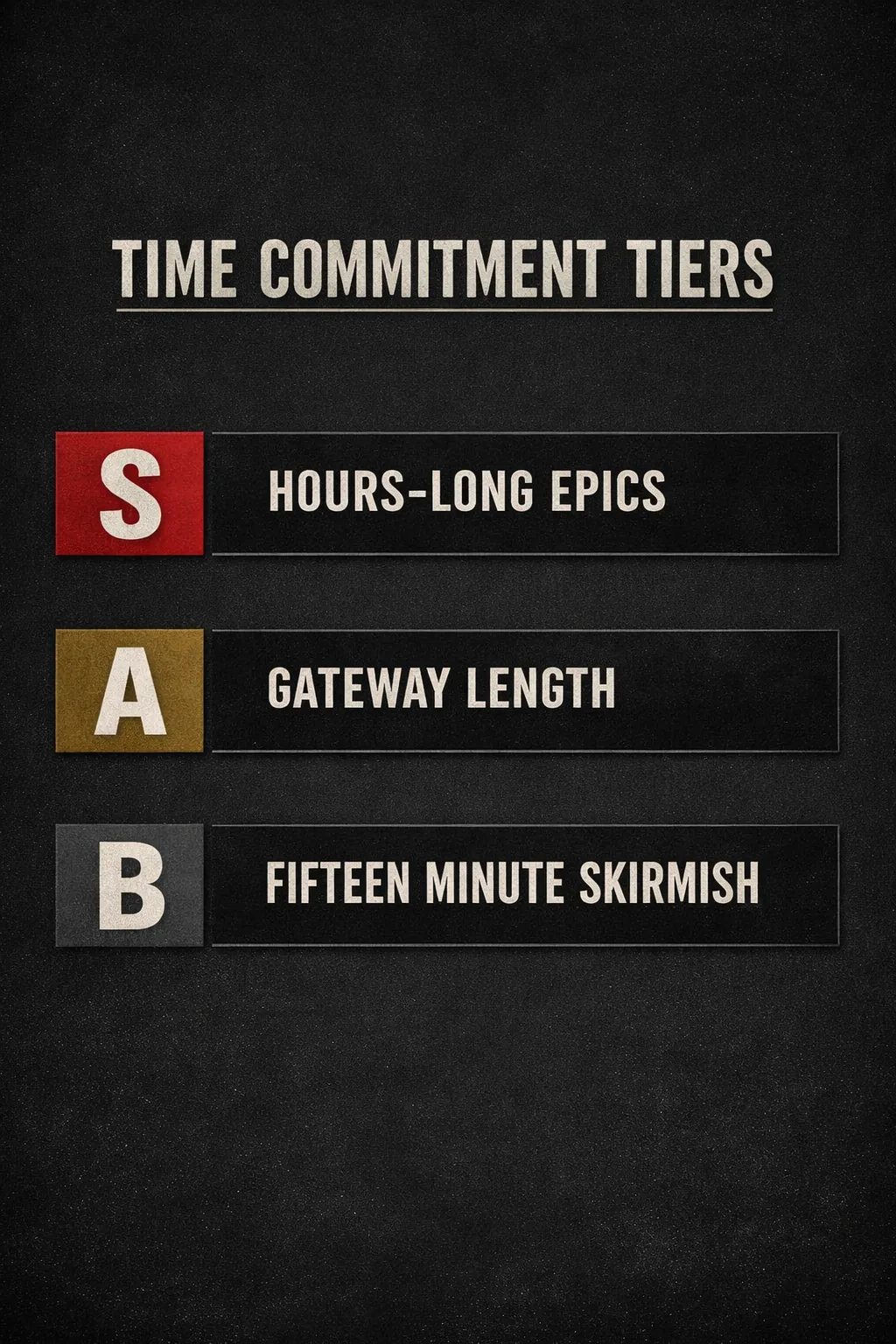
Here is how the genre breaks down across different styles of play.
| Game | Category | Player Style | Play Length | Best For |
|---|---|---|---|---|
| Twilight Imperium | Heavyweight | 3+ players | Hours | Massive galactic empire building, unmatched narrative arc (3-6, 240-480 min, 4.36/5) |
| Blood Rage | Heavyweight | 3+ players | Hours | Aggressive Viking combat, drafting, scoring glory even in defeat (2-4, 60-90 min, 2.88/5) |
| Rising Sun | Heavyweight | 3+ players | Hours | Binding alliances, negotiation, baked-in betrayal (3-5, 90-120 min, 3.30/5) |
| Risk | Gateway | 3+ players | Longer than fast/light, shorter than the heavyweights above | Beginners, dice-driven, the genre's grandfather (2-6, 120 min, 2.06/5) |
| Small World | Gateway | 3+ players | Longer than fast/light, shorter than the heavyweights above | Beginners, fantasy races, forced territorial decline (2-5, 40-80 min, 2.35/5) |
| Eight-Minute Empire | Fast/Light | 3+ players | ~15 minutes | Quick game-night warmup |
| Sin of Angels | Digital Turf War | 2-6 players | About six rounds | Free browser area control, win by holding the most cash after round six, no box or table required, currently in closed beta (2-6, about six rounds, not BGG-rated) |
| Twilight Struggle | Head-to-Head Duel | 2 players | A single sitting, built for exactly two | Cold War tension, influence tokens, no armies (2, 120-180 min, 3.61/5) |
| War of the Ring | Head-to-Head Duel | 2 players | A single sitting, built for exactly two | Asymmetrical Free Peoples vs. Shadow clash (2-4, 150-240 min, 4.23/5) |
| Spirit Island | Cooperative | Team vs. automated enemy | A full co-op session | Nature spirits defending against invading settlers (1-4, 90-120 min, 4.07/5) |
| Pandemic | Cooperative | Team vs. automated enemy | A lighter, faster co-op sit | Lighter co-op, containing spreading outbreaks (2-4, 45 min, 2.39/5) |
How to pick: run it through the Crew-and-Clock Filter. Match your group size and your time budget to a category before you match anything else.
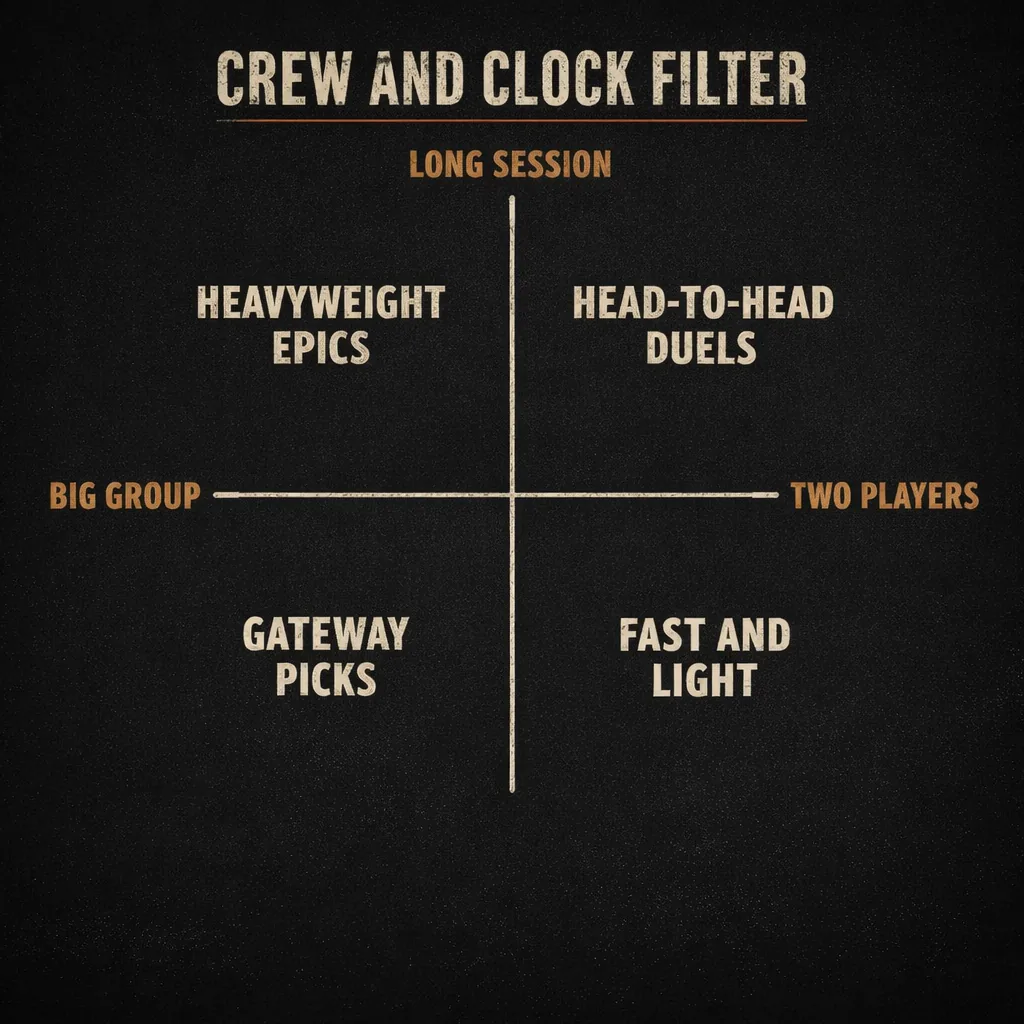
- 3+ players, hours to burn? Go heavyweight (Twilight Imperium, Blood Rage, Rising Sun).
- Teaching new players the ropes? Go gateway (Risk, Small World).
- Only 15 minutes before the "real" game starts? Go fast/light (Eight-Minute Empire).
- Exactly two players at the table? Go head-to-head duel (Twilight Struggle, War of the Ring).
- Group that would rather not fight each other? Go cooperative (Spirit Island, Pandemic).
- Want the turf war without a box or a table? Go digital turf war (Sin of Angels). It is in closed beta now, so get on the list and get your invite.
Filter on crew size and clock first, then use the "Best For" column to break ties.
Running that filter still leaves you shopping for a box and clearing a table. Sin of Angels skips both, no install, free, once your beta invite lands you're fighting over L.A. County sites right in your browser.
The Heavyweights
These are the massive box games. They take hours to play, with hundreds of plastic miniatures, sprawling maps, and deep economic systems.
- Twilight Imperium: defines the massive-scale end of the spectrum. You control an entire galactic civilization, negotiating trade deals, voting on galactic laws, and moving fleets across the stars to claim planets. It is a massive time commitment, but it delivers an unmatched narrative arc. (3-6 players, 240-480 min, complexity 4.36/5)
- Blood Rage: puts you at the head of a Viking clan during the end of the world. You draft cards to upgrade your warriors, summon monsters, and invade provinces. Dying in battle actually earns you points, flipping the standard script: you actively seek out fights you know you will lose just to score glory. (2-4 players, 60-90 min, complexity 2.88/5)
- Rising Sun: focuses heavily on negotiation. You form binding alliances at the start of every round and share the spoils of war with your ally, but only one player can win the game. The betrayal is baked into the rules. (3-5 players, 90-120 min, complexity 3.30/5)
Gateway and Beginner Titles
If you want to introduce a new group to the genre, you need beginner-friendly titles. These strip away complex economies and focus purely on the map.
- Risk: the grandfather of the genre (2-6 players, 120 min, complexity 2.06/5). Everyone knows the rules: mass your armies, roll the dice, and try to take over the world. It is heavily reliant on luck, but it established the foundation for everything that followed.
- Small World: a step up for new players, and one of the best simple area control board games on the market (2-5 players, 40-80 min, complexity 2.35/5). The map is intentionally too small. You pick a fantasy race with a random special power and conquer regions to score coins. Eventually your empire stretches too thin, so you put your race into decline, abandon them, and pick a new faction to continue the fight. It teaches players not to get attached to their territory.
Fast and Light Skirmishes
Sometimes you do not have three hours to burn. You need light area control board games that get straight to the point.
Eight-Minute Empire boils the entire mechanic down to a handful of turns. You draft a card, gain a resource, and move wooden cubes across a tiny map. It takes fifteen minutes to play, but every single cube placement matters.
These lighter games are perfect for the start of a game night. They warm up the table, and get people used to attacking each other without ruining friendships for the rest of the evening.
Head-to-Head Duels
Most games in this genre need three or more players to create dynamic alliances. The best area control board games for 2 players remove the diplomacy entirely, turning it into a pure, zero-sum tactical fight.
- Twilight Struggle: a legendary two-player experience. One player takes the United States, the other the Soviet Union, during the Cold War. You do not move armies. You place influence tokens into different countries to trigger coups and realignments. Every card you play can potentially trigger an event that helps your opponent. It is a grueling, paranoid test of nerve.
- War of the Ring: another massive two-player clash. One player controls the Free Peoples, desperately trying to hold off the darkness while moving a hidden ring toward a volcano. The other controls the Shadow, commanding endless armies of orcs and monsters. The Shadow player has to sweep across the map and conquer strongholds before the ring gets destroyed. It is a masterclass in asymmetrical area control.
Teaming Up Against the Board
It sounds like a contradiction, but cooperative area control board games exist. Instead of fighting each other, players team up against an automated enemy controlled by the game itself.
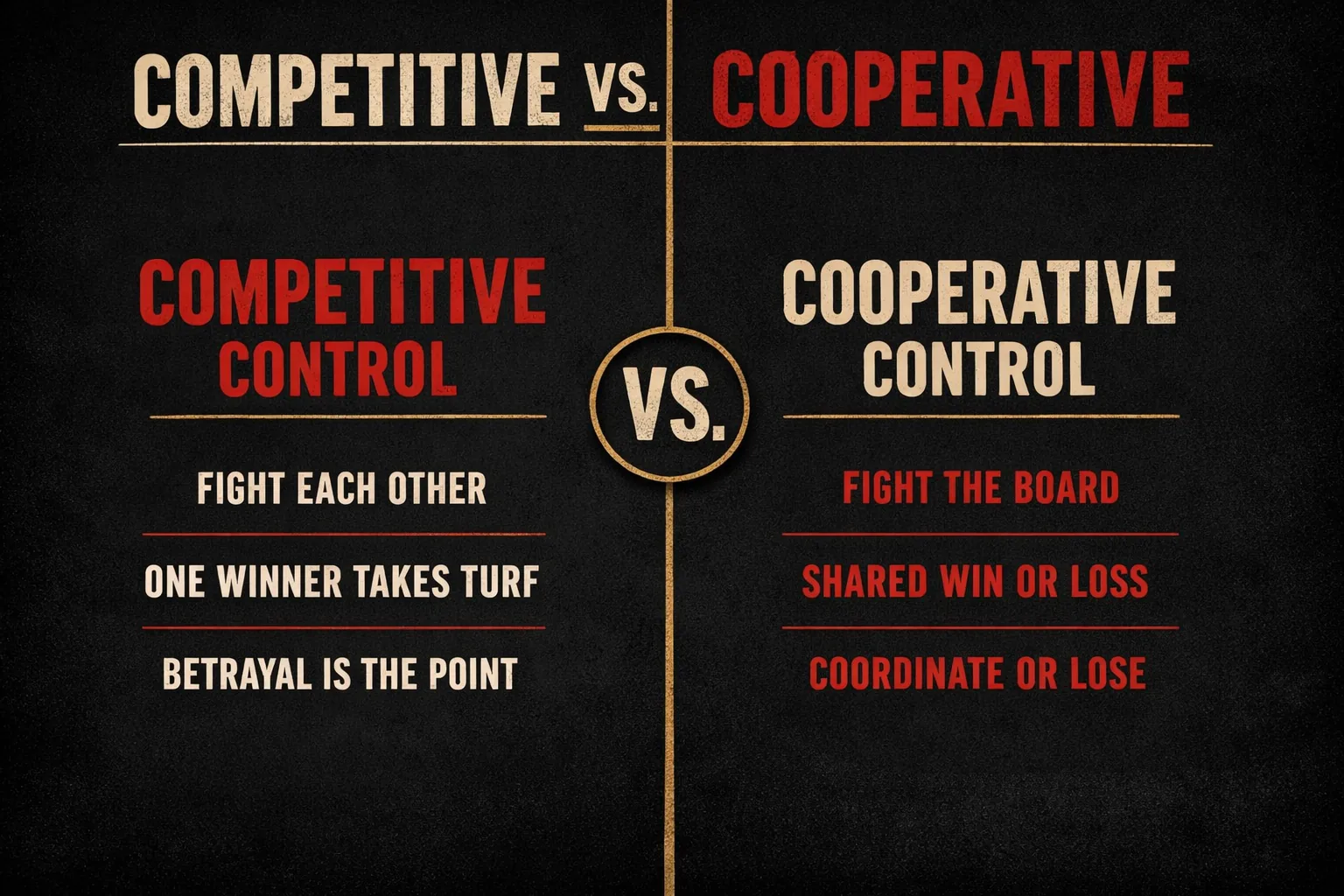
Spirit Island flips the traditional colonizer narrative. Players are powerful nature spirits defending their island from invading settlers. The invaders operate on a predictable, automated track: they explore, build towns, and ravage the land. Players have to coordinate their powers to push the invaders into kill zones and wipe them out. It requires intense communication. You have to control the map together, or the island burns.
Pandemic operates on a similar, lighter framework. You are not fighting armies, you are fighting diseases spreading across a global map. You move your pawns from city to city, treating infections and building research stations. If you lose control of the areas, the diseases outbreak and cascade across the board. You have to manage the hot zones while working toward the final cure.
Adjacent Mechanics You Will Also Like
Ties area control to 4X and hidden-movement games, with links to guides on each.
Area control rarely exists in a vacuum. Game designers often blend it with other systems to create deeper layers of strategy. If you enjoy the tension of a turf war, you will likely gravitate toward a few specific mechanics that share the same DNA.
The Leap Into 4X
These games take territorial dominance and blow it up to a massive scale. You do not just fight for a single region. You explore uncharted maps, expand your empire, exploit local resources, and exterminate the competition.
The core loop is identical, but the scope demands a longer time commitment. If you want to see how these massive campaigns operate, check out our guide on 4x games.
Hidden Movement, a Different Kind of Conflict
Instead of massing armies in plain sight and daring someone to attack, the board state is asymmetrical. One player moves in secret, and the rest of the table works together to hunt them down.
It is a cat-and-mouse game built purely on paranoia. The tension comes from not knowing where the enemy will strike next. Read our guide on hidden movement board game strategy to see how that mechanic changes the dynamic of a game night.
Taking Turf in Sin of Angels
Details Sin of Angels' crew building, brawl mechanics, and cross-platform beta access.
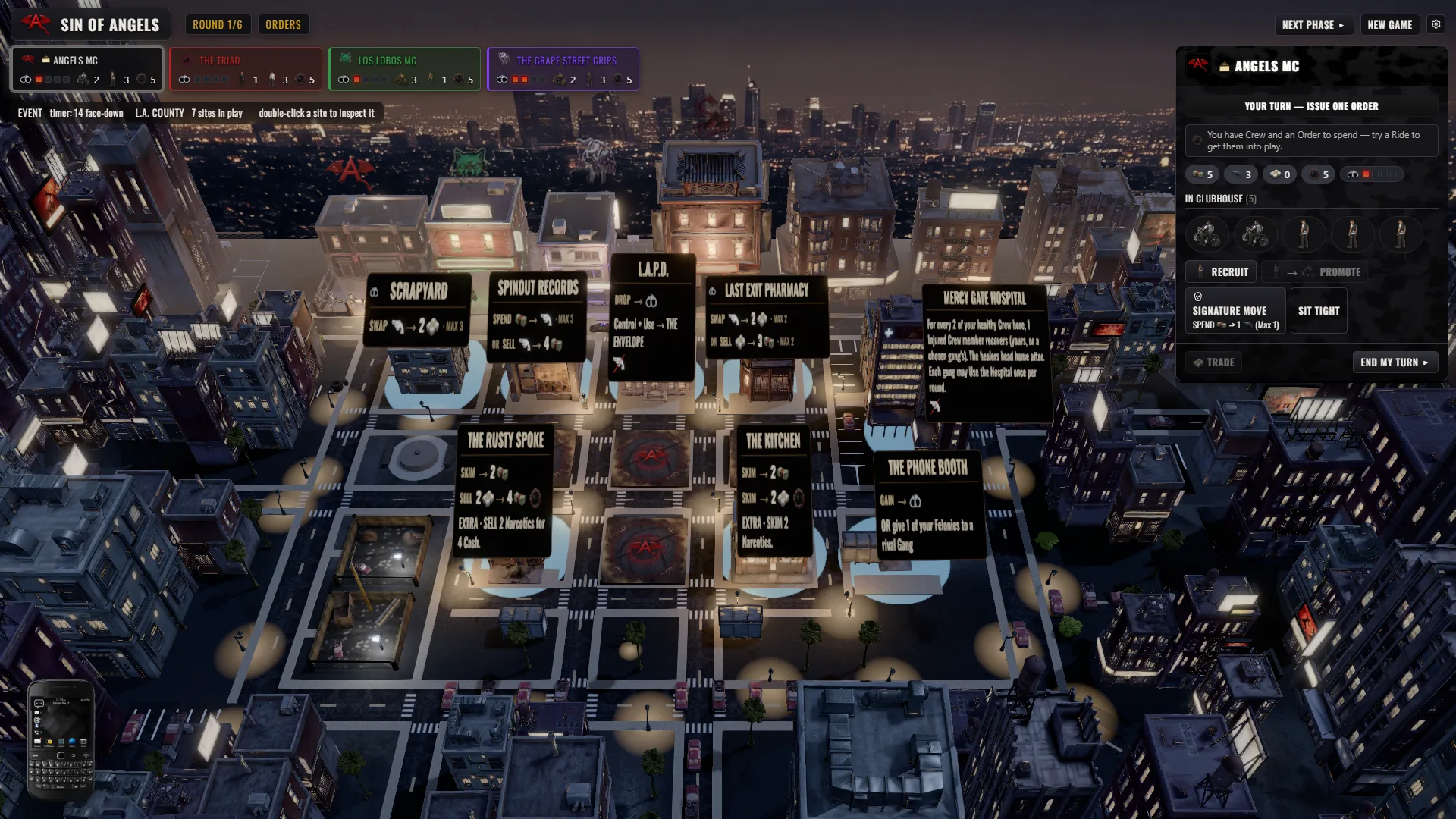
Everything this genre teaches you, mass your forces, cross the border, settle the dispute, plays out directly in our outlaw-MC strategy board game. Sin of Angels puts you at the head of a biker gang fighting over a gritty corner of L.A. County, and the map is the whole game.
Illicit sites sit scattered across the county, The Iron Works, Picket Fence Lab, San Pedro Docks, and every crew at the table wants the same handful of them.
Building Your Crew
You start by bringing in patched members and recruits. Then you move your muscle onto the board. Every location is a front you can use for cash, guns, or narcotics.
Running the Territory
You run the economy, manage felonies with the cops, and trade along The Silk Road. You cut deals with rival gangs to secure your borders, then break those ceasefires the second they turn their backs.
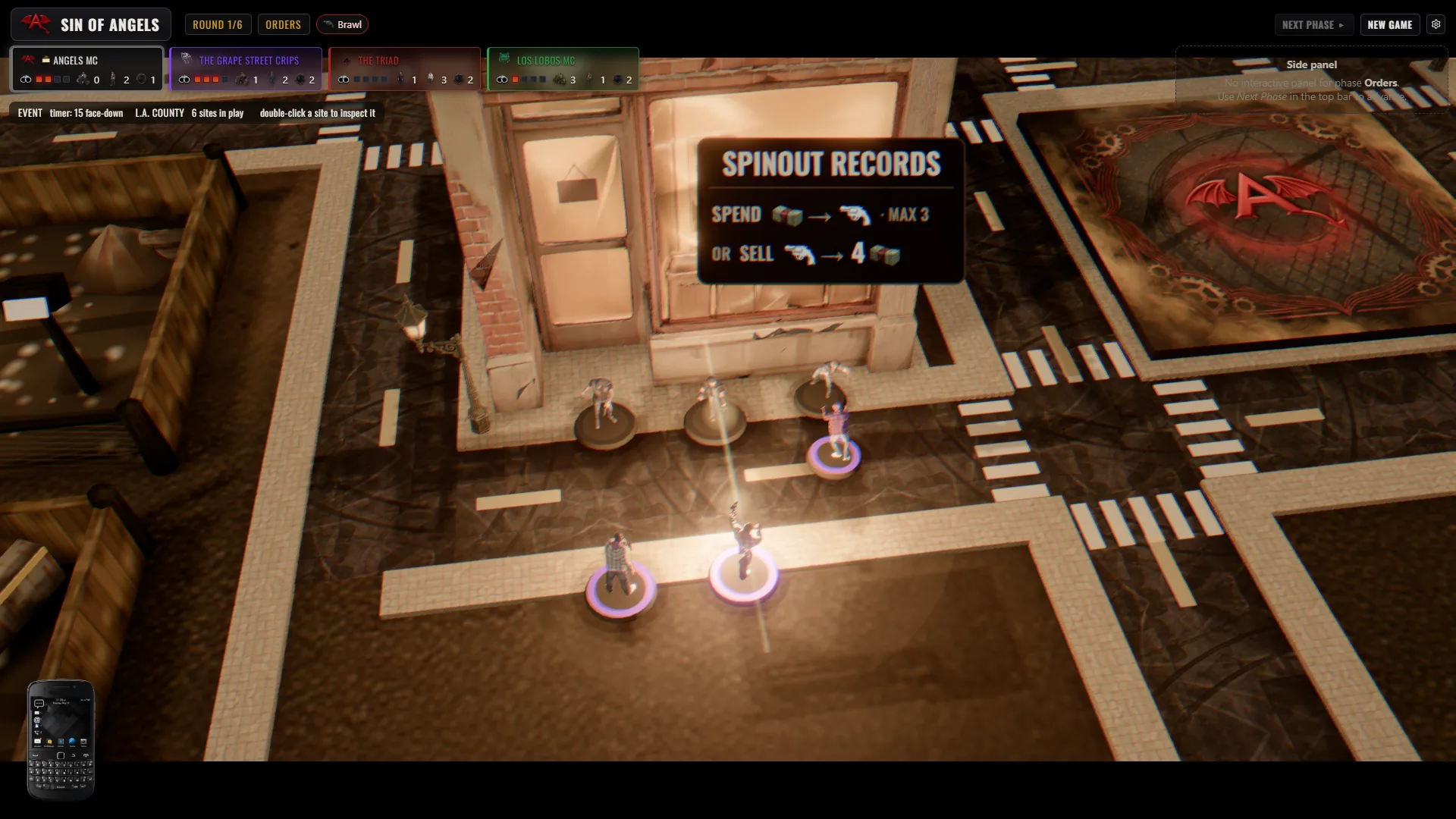
Space is limited, so eventually two clubs land on the same site. That is the Brawl this genre trains you to expect, except instead of rolling dice and pulling a plastic miniature off the board, you watch the fight resolve as a cinematic 3D battle.
The Fight Itself
You call in backup, pull guns, and settle it in the dirt on a roll of the dice. When a rider goes down, atmospheric death vignettes play out. The game features an original outlaw-country soundtrack and punchy sound effects that make every gunshot matter.
Play Anywhere
You do not need to clear off a massive dining table to fight for turf. It is a digital board game that lives entirely in the browser, with no install. Once you are past the beta gate, you can play from a desktop, tablet, or phone.
We have a native Android app on the way and a PC release planned via Steam. On launch, any web browser gets you into the action, including iPhone right in Safari.
You play it your way:
- Run a solo campaign against a smart AI opponent.
- Boot up an online multiplayer match with friends across the country.
- Pass a single device around the room.
- Fire up party mode for a game night: you throw the 3D board up on the TV, and everyone plays their hand secretly from their own phones.
It brings the tension of a heavy tabletop turf war straight to your living room.
Join the Beta
Sin of Angels is in closed beta at soa-game.com. Get on the list and early players get in first, and help us break it before launch.
Related Guides
- Sin of Angels: The Outlaw Motorcycle Club Strategy Board Game
- What Are 4X Games? Explore, Expand, Exploit, Exterminate Explained
- Engine-Building Board Games: How the Mechanic Works + Best Picks
- Hidden Movement Board Games: Cat-and-Mouse Strategy Explained
Frequently Asked Questions
What is an area control board game?
It is a strategy game where players compete to dominate specific regions on a map. You place units into territories to claim resources and score points. If another player wants that turf, they have to fight you for it.
What are the best area control board games?
The top titles depend heavily on your group and playtime. Blood Rage and Rising Sun offer heavy, aggressive combat and shifting alliances. Small World is perfect for beginners, while Twilight Struggle delivers a brutal two-player duel.
What is the #1 board game in the world?
Rankings shift constantly based on player votes across community sites like BoardGameGeek. Heavy strategy games with deep mechanics usually hold the top spots. Massive area control and legacy games frequently dominate these hardcore lists.
What are the top 3 most popular board games?
Classic household names like Monopoly and Risk hold the all-time sales records. In the modern hobby space, games like Catan, Ticket to Ride, and Pandemic lead the pack. They serve as the main gateways into deeper tabletop strategy.
Claim Your Turf
Area control is about taking ground, holding the line, and bleeding the competition dry. If you are ready to run your own MC, muscle rival gangs off the streets, and settle disputes in the dirt, get on the list now. Get on the Beta List and ride with us.